
Gachiakuta Season 2 is officially in production and has received its first proper teaser footage at Anime Expo 2026, offering a new look at Rudo, his evolving powers, and the Cleaners. A release date has not yet been announced, but Season 2 is confirmed to stream on Crunchyroll when it premieres.
Gachiakuta Season 2 Release Date: What We Know
The biggest unanswered question is the release date. Although the Season 2 production has already been announced and Anime Expo 2026 delivered the first substantial teaser, Bones Film has not revealed a specific premiere date.
| Season 2 Detail | Current Status |
|---|---|
| Production | Confirmed |
| First Look | Shown at Anime Expo 2026 |
| Studio | Bones Film |
| Director | Fumihiko Suganuma |
| Main Character | Rudo |
| Story Setting | The Pit and its expanding factions |
| Streaming Platform | Crunchyroll |
| Official Release Date | Not announced |
The real detail most casual observers are missing is that the teaser is more than confirmation. Its emphasis on Rudo’s developing abilities and the Cleaners points toward a season that intends to expand the series’ conflict rather than simply repeat the survival-focused formula of Season 1.
What Is Gachiakuta Season 2 About?
Season 2 continues Rudo’s descent into the Pit after the dramatic events of the first season. His growing command of his powers puts him in contact with increasingly dangerous opponents and factions operating within the broken society.
The story also begins moving beyond the basic question of surviving the Pit. New characters, organizations, and competing interests are expected to broaden the conflict and reveal more about the forces controlling this unusual world.
Season 2’s Story Is Getting Bigger
The shift can be broken down into several major developments:
- Rudo’s growth: His powers continue evolving as he becomes more experienced.
- New factions: The conflict expands beyond individual enemies and survival.
- More characters: New allies and antagonists will widen the cast.
- Deeper worldbuilding: The series explores the organizations shaping life inside the Pit.
- Bigger questions: Rudo’s journey increasingly connects to the systems behind his society.
What this shift actually means in practice is Gachiakuta is moving from survival story to larger conspiracy-driven conflict. That gives Season 2 considerably more room to explore why this world works the way it does.
Gachiakuta Season 2 Cast and Characters
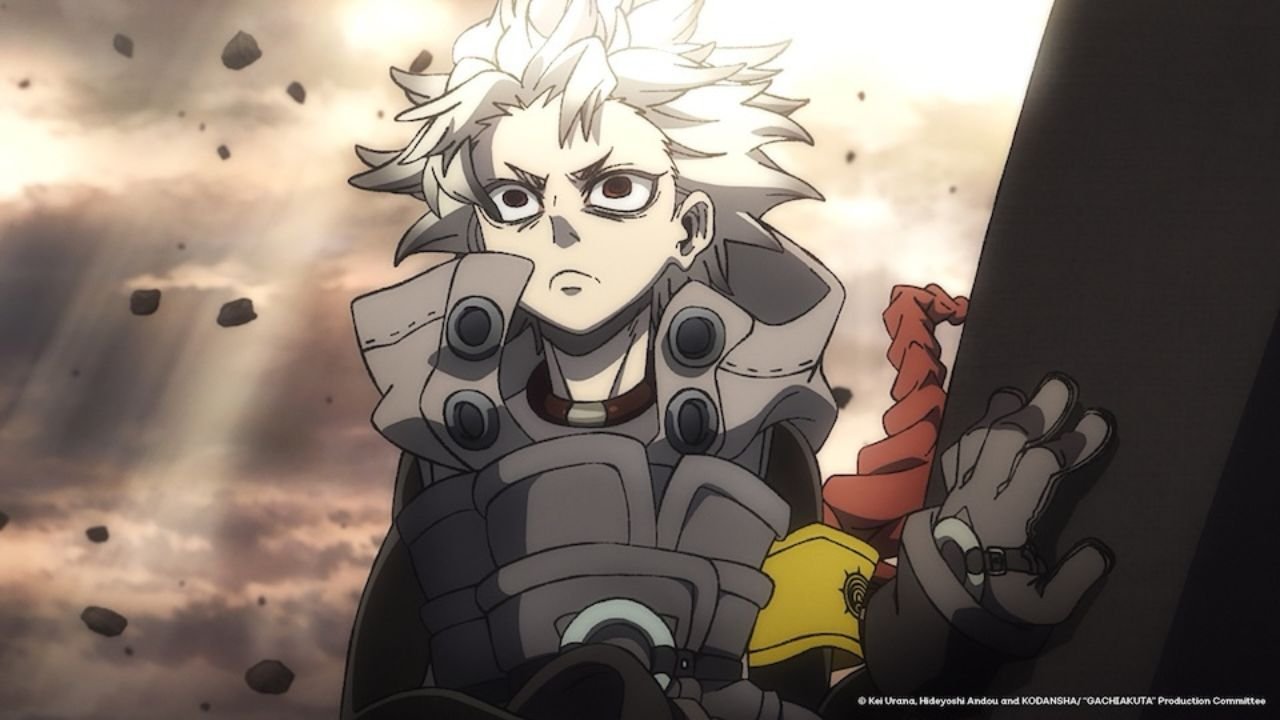
Rudo remains the central figure as the story pushes deeper into the Pit, but the cast is expanding around him.
The Cleaners will continue to matter as Rudo’s journey develops, while new allies and enemies are expected to introduce different perspectives on the Pit and the society surrounding it.
| Character Group | Season 2 Role |
| Rudo | Central protagonist whose powers continue developing |
| Cleaners | Increasingly important to the wider conflict |
| New allies | Expand Rudo’s relationships and understanding of the Pit |
| New enemies | Introduce larger threats and competing objectives |
| Other factions | Reveal more about the systems governing this world |
The important takeaway is the conflict is becoming collective. Rudo is no longer simply fighting to survive; his actions are increasingly connected to competing groups with their own agendas.
Why Gachiakuta Stands Out From Other Shonen Anime
Based on Kei Urana’s manga, Gachiakuta entered an increasingly crowded shonen market with a visual identity that was difficult to confuse with anything else.
Its world revolves around discarded objects and trash, while the Jinki power system turns everyday items into something far more dangerous and meaningful. The graffiti-inspired aesthetic gives the anime an additional layer of personality.
That combination has drawn comparisons to Dorohedoro, particularly because both series build chaotic worlds where strange environments, brutal action, and unconventional characters are central to the experience.
But Gachiakuta has its own defining hook: trash becomes power. The concept gives the series a natural way to connect its combat system to its larger themes of social inequality, rejection, and the value society assigns to people and objects.